
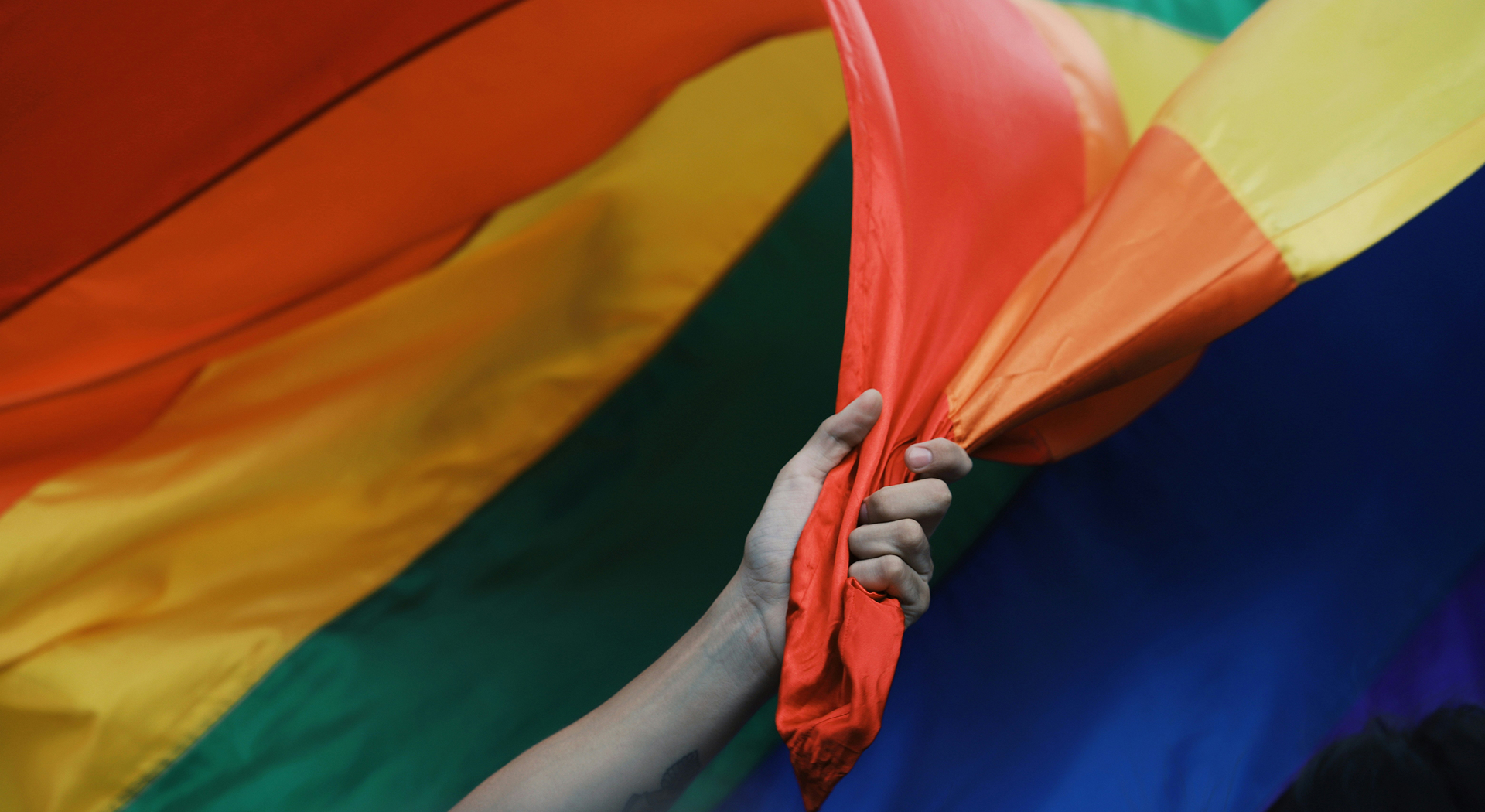
For many refugees, leaving home is already an act of survival. For those who are lesbian, gay, bisexual, transgender, intersex, or queer, the journey often involves fleeing not only war or poverty but also persecution tied to their identity. LGBTIQ+ refugees carry a double burden: the trauma shared by all displaced people and the specific fear of being targeted because of who they are.
Why They Flee
In numerous countries same-sex relationships are criminalized and gender diversity is treated as a threat to social order. Individuals can face imprisonment, torture, forced “conversion” practices, or violence from their own families. Even where laws are neutral, social hostility may make daily life impossible—jobs lost, housing denied, medical care refused.
When conflict erupts in such environments, LGBTIQ+ people are often among the first to be blamed or attacked. Escape becomes the only option, yet leaving home means abandoning networks that might have offered some protection. The search for safety begins with painful goodbyes and uncertain routes.
The Difficult Road
The refugee journey is rarely kind to sexual and gender minorities. In transit camps or along migration routes, they may encounter the same prejudice they tried to escape. Transgender women can be placed in male facilities where they face harassment. Gay men may hide their identity to avoid assault. Reporting abuse is difficult when authorities are part of the threat.
Even after reaching a country that recognizes asylum based on sexual orientation or gender identity, challenges continue. Proving persecution is complex; many applicants lack documents or fear speaking openly during interviews. Language barriers and unfamiliar legal systems add further stress.
Building Safe Spaces
Specialized organizations and community groups have begun to address these gaps. Shelters designed for LGBTIQ+ refugees offer more than a bed—they provide counseling, legal assistance, and a place where people can breathe without pretending. Peer networks help newcomers navigate health services, hormone treatment, or HIV prevention with dignity.
Some governments are improving procedures, training asylum officers to handle cases sensitively and allowing applicants to choose the gender of their interviewer or interpreter. These steps recognize that safety is not only physical but psychological.


