
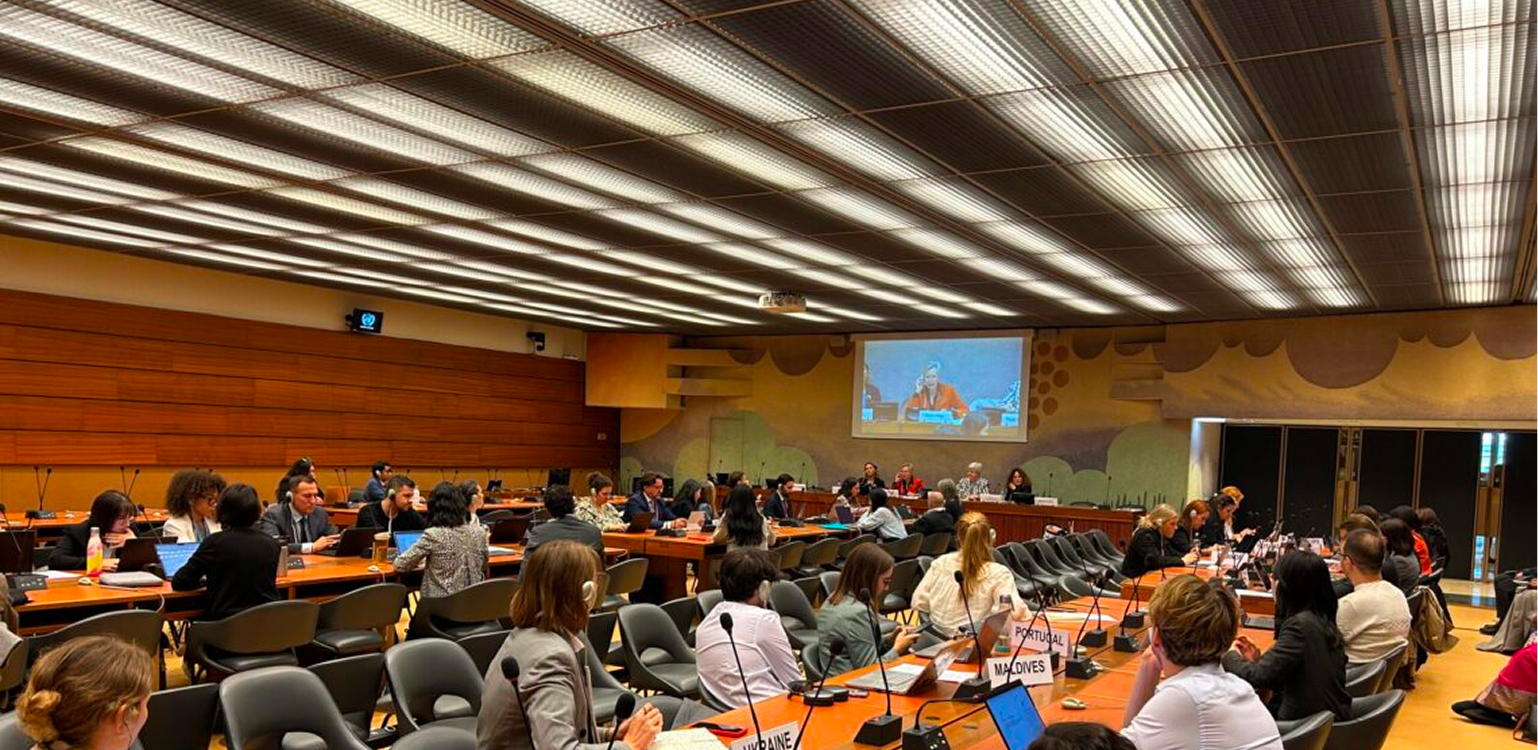
Humanitarian programs are the world’s collective response to suffering. When conflict, disaster, or poverty push communities to the edge of survival, these initiatives become lifelines that protect life and preserve human dignity. Beyond the delivery of food or medicine, humanitarian work represents a promise that no person will be abandoned simply because misfortune found them.
The Purpose of Humanitarian Action
At its core, a humanitarian program seeks to meet basic needs—shelter, health care, clean water, and safety. Earthquakes collapse homes, wars displace families, and droughts empty fields; in such moments ordinary systems fail. Humanitarian organizations step into this gap, guided by principles of neutrality, impartiality, and independence. Assistance is meant to reach people because they are in need, not because of their nationality, religion, or political loyalty.
Yet the purpose goes further than survival. Effective programs aim to protect dignity and hope. A temporary school in a refugee camp, for example, does more than teach mathematics; it reminds children that their future has not been cancelled.
From Emergency Relief to Recovery
Humanitarian response often begins with urgency. Search-and-rescue teams, emergency medical units, and rapid food distribution save lives in the first chaotic days after a crisis. As the situation stabilizes, programs shift toward recovery: rebuilding homes, supporting livelihoods, and restoring local services.
This transition is delicate. If aid ends too soon, communities can slide back into desperation; if it lasts too long without involving local leadership, it can create dependency. The most successful programs work with affected people as partners, listening to their priorities and respecting their knowledge of their own environment.
Challenges on the Ground
Delivering aid is rarely simple. In conflict zones, humanitarian workers may face insecurity, restricted access, or political manipulation. Natural disasters can destroy roads and communication networks, making it difficult to reach remote villages. Funding is often unpredictable, rising sharply during high-profile emergencies and fading when media attention moves elsewhere.
There are also ethical dilemmas. How should agencies choose between equally urgent needs when resources are limited? How can they ensure that assistance does not unintentionally fuel conflict or inequality? These questions require constant reflection and accountability.
The Human Face of Programs
Behind every statistic is a person: a mother receiving prenatal care after fleeing her home, an elderly man reunited with his medication, a teenager learning a trade in a reconstruction workshop. Humanitarian programs succeed when they see these individuals not as victims but as resilient actors with their own strengths.


